Ultimate Tree Plantation Paragraph for Students of All Classes Easy to Memorise
Discover the best tree plantation paragraph collection for students from Class 6 to HSC. This comprehensive guide features high-scoring paragraphs with clear Bengali translations.

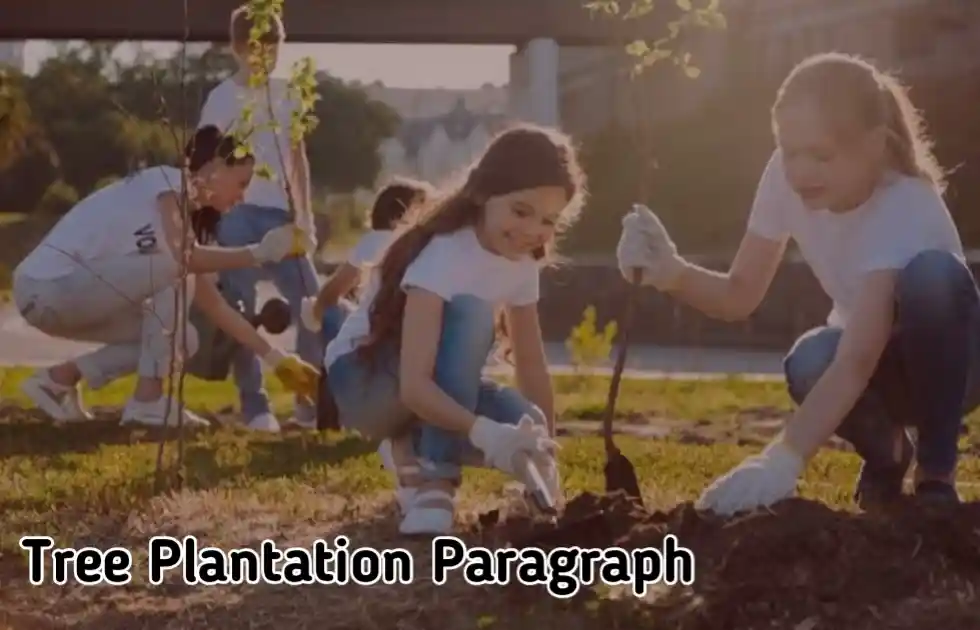
The act of cultivating trees, commonly referred to as writing a tree plantation paragraph for academic purposes or engaging in the literal act of gardening, represents one of the most profound interactions between humanity and the biosphere. When we discuss the necessity of trees, we are not merely talking about aesthetics or the beautification of our surroundings; we are engaging in a conversation about the survival of complex life forms on Earth. A tree plantation paragraph often serves as a fundamental introduction for students to the concepts of ecology, sustainability, and personal responsibility. However, the depth of this subject far exceeds the constraints of a single school assignment. To truly understand the gravity of our situation, one must look at the forest, not just the individual saplings. As industrialization rapidly expands and urbanization consumes the natural landscape, the deliberate act of planting trees becomes a counter-movement, a way to reclaim the vitality of our atmosphere, stabilize the soil beneath our feet, and provide a habitat for the myriad species that share our planet. This comprehensive analysis will explore every facet of the topic, serving as a master resource for students and enthusiasts who are tasked with composing a definitive tree plantation paragraph that captures both the scientific reality and the moral imperative of this noble endeavor.
What Is Tree Plantation
At its most foundational level, the concept behind a tree plantation paragraph is quite straightforward: it is the process of transplanting saplings or sowing seeds with the intent of growing trees in a specific location. Yet, if we look closer, the definition expands significantly. Tree plantation is a strategic environmental management tool. It is not an arbitrary act. It requires the selection of specific species that are indigenous to the climate and soil type of the region. Without careful planning, plantation efforts can lead to monoculture forests that actually harm local biodiversity rather than helping it. When we write about or perform tree plantation, we are engaging in a long-term commitment. A tree is not a seasonal crop; it is a long-term investment in the carbon cycle of the planet. There is a profound distinction between reforestation and afforestation. Reforestation is the process of restoring forest cover to areas that have been cleared by human activity or natural disasters. Afforestation, on the other hand, is the creation of a forest where one did not previously exist. A well-constructed tree plantation paragraph will often touch upon these nuances, illustrating that the task is not just about digging a hole and dropping a plant, but about engineering a micro-climate that can sustain life for decades, or even centuries, into the future.
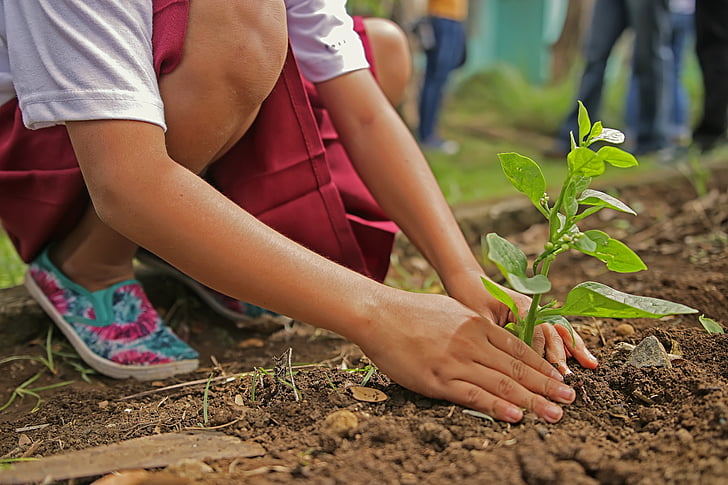
This requires understanding the local water table, the nutrient composition of the topsoil, and the projected climate changes that might affect the growth of the chosen species. Consequently, the act is a intersection of biology, geography, and social planning.
Importance of Tree Plantation
The importance of this activity cannot be overstated. When crafting a tree plantation paragraph for an academic submission, one must prioritize the biological role of trees. Consider the respiratory cycle of the planet. Trees are essentially the lungs of the biosphere. Through the intricate biochemical process of photosynthesis, they capture carbon dioxide—a primary greenhouse gas—and transform it into glucose and oxygen. This is not just a chemical equation; it is the fundamental mechanism that allows aerobic life to exist. Without this, the accumulation of carbon in our atmosphere would accelerate global warming to a point of no return. But the importance extends far beyond the atmosphere. Trees are the silent guardians of the soil. Their root structures are architectural marvels that bind the earth together, preventing the catastrophic loss of fertile topsoil due to wind and water erosion. In areas without tree cover, heavy rain simply washes the nutrient-rich top layer of the earth into rivers, causing siltation and reducing the land’s ability to support agriculture. A comprehensive tree plantation paragraph will highlight that trees act as sponges; they absorb excess water during monsoon seasons, preventing the flash floods that devastate low-lying regions, and they release moisture slowly during dry spells, maintaining the water table. This hydrological regulation is the difference between a productive, lush land and a desertified wasteland. Furthermore, the psychosocial importance of trees for human health is increasingly recognized. Spaces with high density of tree cover are proven to reduce human stress levels, lower blood pressure, and improve mental acuity. By teaching students to value this through a tree plantation paragraph, we are instilling a lifelong habit of environmental stewardship that goes beyond the classroom walls and into the fabric of daily life, influencing their future career choices and personal behaviors regarding waste, consumption, and conservation.
Benefits of Tree Plantation
When we break down the benefits, it becomes clear why this topic appears so frequently in exams and environmental studies. The benefits are layered. Primarily, we have the economic benefits. Forestry and agro-forestry industries provide timber, pulp, and paper, which remain essential commodities in the global economy. However, an enlightened approach to this subject, often required in a high-quality tree plantation paragraph, emphasizes non-timber forest products. This includes the harvesting of fruits, nuts, honey, resin, and medicinal herbs, which provide sustainable income for indigenous and local communities. These benefits create an economic incentive for people to keep the trees standing rather than cutting them down for short-term gain. Then, there are the medicinal benefits. A vast percentage of modern pharmaceutical drugs are derived from plant-based compounds. Trees are chemical factories. By maintaining diversity through tree plantation, we are effectively preserving the library of potential future medicines. Every time a forest is cleared, we risk losing a species that might hold the cure for diseases yet to be eradicated. A student writing a tree plantation paragraph should articulate that the benefits are not only for the present but for the future. Then, consider the noise and air pollution mitigation. Trees act as physical barriers that absorb sound waves, making urban environments significantly quieter. They also filter particulate matter, such as dust and soot, from the air. In a modern city filled with traffic, a belt of trees acts as a natural air purifier, scrubbing the air and providing a refuge of relative health for city dwellers. Finally, the aesthetic and recreational benefits cannot be ignored. A city with a canopy is a city that invites walking, physical activity, and social interaction. When we write a tree plantation paragraph, we are documenting a holistic method for improving the human condition.
Read Also:-জার্মানি স্টুডেন্ট ভিসা প্রসেস ২০২৬: ভিসা পেতে যা যা জানতে হবে।
Beyond the immediate human benefits, the ecological benefits are staggering. Trees create vertical habitats. While humans live on the ground, trees provide levels of living space for birds, arboreal mammals, insects, and epiphytic plants. A single oak tree, for instance, can support hundreds of species of insects. By increasing the number of trees, we are increasing the complexity and resilience of the local ecosystem. A tree plantation paragraph for a higher-level class might discuss the concept of ‘wildlife corridors’—strips of land planted with trees that allow animals to migrate safely between larger forest patches, preventing genetic isolation. This is essential for the long-term survival of threatened species. Furthermore, trees contribute to the cooling of the local environment. Through the process of evapotranspiration, where water is released from leaves into the atmosphere, trees act as natural air conditioning systems. This reduces the ‘urban heat island’ effect, where concrete and asphalt trap heat and raise temperatures significantly above ambient levels. By incorporating these points into a tree plantation paragraph, a student demonstrates an understanding of the complex interplay between urban development and natural cooling systems.
Tree Plantation and Environment
The relationship between humanity and the environment has become increasingly adversarial in the last century, but tree plantation offers a bridge to reconciliation. The environment is not just a backdrop; it is a dynamic system. When we alter the landscape, we alter the climate. Tree plantation is a mitigation strategy. The global climate crisis is primarily a story of carbon imbalance. Trees, as stated previously, are the most efficient biological technology we have for carbon capture. They do not just capture carbon; they sequester it in their biomass—in their trunks, branches, and roots—for decades. This is why any serious discussion or any well-structured tree plantation paragraph must frame the activity as a global climate solution. It is a local action with global consequences. When an entire village or nation engages in tree plantation, they are contributing to the global effort to keep atmospheric carbon levels in check.
However, we must also address the fragility of these environments. In regions plagued by desertification, planting trees is an uphill battle that requires patience and expertise. The soil is often depleted, and the water is scarce. A student writing a tree plantation paragraph should understand that this is not a quick fix. It involves soil restoration, potentially through composting and the use of nitrogen-fixing plants, before the main timber or fruit trees can be established. This is a scientific and rigorous process. The environment also includes the marine interface. In coastal regions, mangrove plantation is a specific and critical form of tree plantation. Mangroves do more than just carbon capture; they stabilize shorelines against tidal surges and hurricanes, and they act as nurseries for fish and crustaceans. If a tree plantation paragraph is being written by a student in a coastal region, this should be the focal point. It bridges the gap between land management and marine health. The interconnectedness of these systems is the true essence of environmental science.
Tree Plantation in Bangladesh
For the context of Bangladesh, the topic of tree plantation is of existential importance. Being a low-lying, deltaic nation with an immense population, the pressure on land is extreme. Yet, the necessity for a green canopy has never been higher. When crafting a tree plantation paragraph tailored to the Bangladeshi context, one must discuss the unique vulnerability of the nation to climate change. The melting of glaciers in the Himalayas increases the risk of flooding, while the rising sea level threatens the coastline. In this context, trees are not a luxury; they are a defensive fortification. The Sundarbans, the world’s largest mangrove forest, is the primary shield for the country against cyclones originating in the Bay of Bengal. However, inland, the need for tree plantation is equally pressing. Deforestation in the Chittagong Hill Tracts and the conversion of forest land into agricultural or residential land has led to increased landslides and water scarcity.
Read Also:-HSC Biology 1st Paper দ্বিতীয় অধ্যায় MCQ ২০০টি | বোর্ড পরীক্ষার জন্য গুরুত্বপূর্ণ প্রশ্ন
A high-quality tree plantation paragraph focusing on Bangladesh should mention the seasonal aspect. The monsoon season, specifically the months of June and July, is the peak time for planting. The soil is saturated, and the humidity is high, providing the best environment for new roots to establish. This is a cultural moment as much as an ecological one, with the government and various NGOs organizing massive drives. The message to the younger generation—who are frequently tasked with writing a tree plantation paragraph—is that they are the inheritors of this land. They must understand that the trees planted today are the protection of their future. Whether it is planting fruit trees around the homestead to ensure nutritional security or planting fast-growing timber species in managed woodlots, every effort counts. This makes for a compelling and urgent narrative in any school assignment.
Student Paragraph Guides
Tree Plantation Paragraph (100 Words)
Tree plantation is the process of planting saplings to create forests and increase green cover. It is crucial for our survival because trees provide us with oxygen, which is essential for human life. Trees also absorb harmful carbon dioxide, helping to fight against global warming and climate change. Besides providing fresh air, trees give us fruits, timber for building homes, and medicinal ingredients. They also prevent soil erosion and help maintain the ecological balance of the environment. If we do not plant more trees, our future will be in danger. Therefore, we should all participate in tree plantation programs to save our earth.
Tree Plantation Paragraph (150 Words)
Tree plantation is the practice of planting and nurturing trees in a systematic way to protect and enhance our environment. Trees are our best friends and the primary source of life on earth. They play a vital role in maintaining the balance of the ecosystem by supplying oxygen and absorbing excess carbon dioxide. Without trees, the greenhouse effect would become unmanageable, leading to severe climate shifts. Furthermore, trees provide us with various necessities, including food, medicine, and raw materials for industries. They also act as natural stabilizers for the soil, preventing landslides and floods that can destroy communities. Unfortunately, due to rapid urbanization and unplanned infrastructure development, many trees are being cut down daily. This destruction causes rising temperatures and unpredictable weather. To counteract this, we must carry out extensive tree plantation drives, especially during the rainy season. Protecting the environment through this simple yet powerful act is a collective responsibility for a greener future.
Tree Plantation Paragraph (200 Words)
Tree plantation refers to the organized act of planting young saplings to increase the earth’s forest cover. In today’s world, where environmental degradation is a global crisis, tree plantation is not just an option but a necessity. Trees serve as the lungs of the planet, filtering the air and maintaining a steady cycle of oxygen and carbon dioxide. Their importance is multifaceted; they provide shade, offer habitat for wildlife, prevent soil erosion, and supply essential timber and food products. By holding the soil together with their deep roots, trees prevent riverbank erosion and protect low-lying areas from floods. Furthermore, they are crucial in regulating the climate, as they attract rain and keep the surroundings cool. The rapid rate of deforestation has led to global warming, melting glaciers, and erratic rainfall, posing a threat to all living creatures. To mitigate these impacts, we must adopt a proactive approach. The monsoon season is the most favorable time for planting trees. We should make it a personal and social duty to plant trees around our schools, homes, and on any vacant land. By making tree plantation paragraph awareness a part of our education, we encourage the younger generation to protect nature and ensure a sustainable, healthy, and beautiful world for future generations.
Tree Plantation Paragraph for Class 6
Trees are our best friends. They give us everything we need to live, such as oxygen, fruits, wood, and shelter. When we perform tree plantation, we are essentially securing our own future. As a student, the best thing you can do for the environment is to learn about the importance of these green giants. Trees keep the air clean and cool. In the hot summer, the shade of a tree is a wonderful relief. Birds and animals live in trees, so when we plant them, we are also protecting wildlife. You should try to plant at least one tree every year, perhaps on your birthday. If every student does this, the world will become green and beautiful. Always remember that a tree plantation paragraph for class 6 is not just for marks; it is a lesson to help you respect and love nature throughout your life.
Tree Plantation Paragraph for Class 7
Tree plantation is the most effective way to restore our environment and combat the dangers of climate change. For students, writing a tree plantation paragraph for class 7 is an opportunity to understand why the planet is warming up. Trees absorb carbon dioxide, which is the main gas responsible for global warming. By planting more trees, we help reduce the heat of our cities and keep the air fresh. Trees also prevent soil erosion, which means our land remains fertile for farming. In our country, the monsoon season is the perfect time to plant trees because the rain helps the young saplings grow quickly. We should encourage our friends and family to plant fruit and timber trees around our houses and schools. When we take care of a small plant, we learn responsibility and patience. Every small step toward greener surroundings helps our country stay safe from natural disasters like floods and storms.
Tree Plantation Paragraph Class 8
The health of our planet depends on the trees we plant today. When we talk about a tree plantation paragraph class 8 level, we focus on the basic environmental balance. Trees are nature’s air purifiers. They breathe in the gas we exhale and give us the clean oxygen we need to survive. They are also vital for the economy because they provide wood for furniture, paper, and construction, as well as fruits that are essential for our diet. Many medicines are also made from tree bark, roots, and leaves. However, we are losing our forests too quickly due to building new roads and houses. This leads to hotter days and more floods. To stop this, we must start tree plantation campaigns. Whether it is a small garden or a large field, every tree counts. We must understand that the trees we plant will be the ones that provide shade and fresh air for our future generation.
Tree Plantation Paragraph for Class 9–10
Tree plantation, the systematic process of planting and cultivating trees, is a critical intervention against environmental degradation. For students preparing a tree plantation paragraph for class 9-10, it is important to link this activity to the broader science of climate change and ecology. Trees are the primary biological solution to the excessive carbon dioxide in our atmosphere, which is driving global temperature increases. By absorbing this carbon and releasing oxygen, they act as the earth’s natural air filters. Beyond the atmosphere, they serve as crucial infrastructure for soil protection. Their root networks prevent the loss of topsoil, which is essential for agriculture. Furthermore, forests regulate the hydrological cycle, contributing to predictable rainfall and protecting communities from flash floods. Given that industrial development is shrinking our natural forests, we must aggressively pursue reforestation. This involves not only planting new saplings but also protecting the ones that are already there. As students at this level, you should be able to advocate for the environment, understanding that tree plantation is a strategic move to ensure biodiversity, economic stability, and the long-term viability of our habitat.
Tree Plantation Paragraph for SSC
In the context of the SSC curriculum, writing a tree plantation paragraph for ssc requires a blend of environmental awareness and analytical thinking. Trees are not merely features of the landscape; they are economic and ecological assets. A nation’s forest cover is a metric of its environmental health, and currently, many countries are falling short of the recommended forest-to-land ratio. This gap is directly linked to the increase in natural disasters, such as cyclones and riverbank erosion. Trees function as a natural shield, absorbing the energy of wind and water, thus minimizing destruction. Economically, they are a source of renewable resources, including timber and non-timber products that support livelihoods. Therefore, tree plantation is an essential government and community-led effort. During the planting season, it is our responsibility to utilize all available spaces—roadsides, institutional grounds, and coastal belts—to build a green shield. This is not just an academic exercise; it is a vital strategy for national survival and sustainable development.
Tree Plantation Paragraph for HSC
A sophisticated tree plantation paragraph for hsc students should delve into the complexities of sustainability and the global climate crisis. The planetary crisis of global warming is, at its core, a failure of our carbon management systems. Forests are the most efficient carbon sinks available to humanity. A single hectare of forest can sequester tons of carbon annually, playing a pivotal role in keeping our climate stable. However, the benefits extend beyond carbon. Trees manage water runoff, recharge groundwater aquifers, and preserve biodiversity that is essential for the stability of ecosystems. In a developing nation like Bangladesh, tree plantation is a key adaptation measure against the rising threat of sea-level rise and extreme weather events. Successful plantation requires careful species selection, considering local soil chemistry and ecological niches, as well as long-term care to ensure sapling survival. As high school seniors, your understanding of this topic should reflect a commitment to scientific-based environmental activism, emphasizing the need for robust policy and community participation to reverse current deforestation trends and build a resilient green future.
Tree Plantation Paragraph HSC
The importance of a tree plantation paragraph hsc submission lies in the student’s ability to synthesize biological, economic, and social arguments. Tree plantation is the intentional act of re-greening the planet to mitigate the catastrophic impacts of anthropogenic climate change. As urbanization and deforestation strip away the natural lungs of our cities and rural areas, the resurgence of forest cover is the only viable path to restoring the ecological equilibrium. Beyond their atmospheric contributions, trees are structural stabilizers. Their root systems are vital for preventing soil liquefaction and erosion during severe weather events. Economically, a thriving forest sector supports industries ranging from pharmaceuticals to construction, proving that ecology and economy are not mutually exclusive. The challenge for modern society, and for the student, is to move beyond passive support to active participation. This means understanding the optimal planting seasons, selecting native flora that supports local fauna, and maintaining these plantations until they are self-sustaining. Through organized, scientific, and community-driven tree plantation initiatives, we can forge a path toward climate resilience and long-term prosperity.
Tree Plantation Paragraph বাংলা অনুবাদ সহ
Tree plantation is the process of planting trees to preserve our environment and protect our natural resources. Trees are essential to the survival of all living organisms on Earth. They help maintain the balance of the ecosystem by providing oxygen, which we breathe, and absorbing carbon dioxide, which is a major greenhouse gas. Furthermore, trees provide us with fruits, timber, and medicinal plants. They also help prevent soil erosion and keep the environment cool. Given the rapid rate of deforestation today, planting trees is the best way to fight global warming and ensure a green future.
বাংলা অনুবাদ: বৃক্ষরোপণ হলো আমাদের পরিবেশ রক্ষা এবং প্রাকৃতিক সম্পদ সংরক্ষণের জন্য গাছ লাগানোর প্রক্রিয়া। পৃথিবীর সমস্ত জীবন্ত প্রাণীর বেঁচে থাকার জন্য গাছ অপরিহার্য। গাছ আমাদের নিঃশ্বাসের জন্য অক্সিজেন প্রদান করে এবং কার্বন ডাই অক্সাইড শোষণ করে বাস্তুসংস্থানের ভারসাম্য বজায় রাখতে সাহায্য করে, যা একটি প্রধান গ্রিনহাউস গ্যাস। তাছাড়া, গাছ আমাদের ফল, কাঠ এবং ভেষজ উদ্ভিদ সরবরাহ করে। গাছ মাটির ক্ষয় রোধ করতে এবং পরিবেশকে শীতল রাখতেও সাহায্য করে। আজকের দিনে দ্রুত বন উজাড়ের হার বিবেচনায় নিলে, বৈশ্বিক উষ্ণায়নের বিরুদ্ধে লড়াই করার এবং একটি সবুজ ভবিষ্যৎ নিশ্চিত করার সর্বোত্তম উপায় হলো গাছ লাগানো।
To conclude this extensive look at the topic, it is evident that the tree plantation paragraph is more than just a writing task; it is a call to action that resonates across all levels of society. Whether for a school assignment or a community development project, the act of planting trees represents a fundamental shift in our relationship with the natural world—from consumers to stewards. We have explored the scientific necessity of trees as carbon sinks and soil stabilizers, the economic benefits of agro-forestry and sustainable resources, and the existential importance of these green sentinels in protecting us from the accelerating impacts of climate change. For the student, mastering the ability to write a compelling tree plantation paragraph is the first step in articulating the importance of conservation to others. The knowledge gained here is intended to be applied. We must move beyond theory and into the soil, planting with intent and nurturing with care. By dedicating time to plant and protect trees, we are not just growing plants; we are growing a legacy of health, stability, and biodiversity. As we look toward an uncertain environmental future, the most reliable and beautiful solution we have is already growing in the ground, waiting for us to plant more of it. It is time for every citizen to accept this duty. The earth requires our assistance, and the humble act of tree plantation remains our most effective, accessible, and profound response to the environmental challenges of our time.

এই লেখক এখনও কোনো বায়ো দেননি।